

Maintaining a healthy septic system is paramount for any property owner not connected to municipal sewage, ensuring the long-term functionality of your wastewater treatment. From understanding routine maintenance to navigating the complexities of new installations and necessary replacements, a comprehensive approach is essential. This guide from Emery Septic aims to demystify these crucial aspects, empowering you with the knowledge to make informed decisions about your septic infrastructure.

Essential Septic System Maintenance
Regular maintenance is the cornerstone of a long-lasting septic system. Neglecting your septic tank can lead to costly repairs, environmental hazards, and significant inconvenience. Key maintenance activities include regular septic pumping, which removes accumulated solids and sludge, preventing them from overflowing into the drain field. It's also vital to conduct periodic inspections by a qualified septic service company to assess the system's overall health, identify potential issues early, and ensure all components are functioning correctly. Proper maintenance not only extends the lifespan of your system but also helps maintain property value and protects public health.

Navigating Septic Tank Installation
When building a new home or replacing an old, failing system, proper septic installation is a critical investment. This complex process requires careful planning, adherence to local regulations, and expert execution. A professional septic service company will begin with a site assessment to determine the best location and system type based on soil conditions, property size, and household water usage. The installation involves excavating for the septic tank and leach field, connecting plumbing from the home, and ensuring proper grading for effective drainage. Choosing an experienced team for your septic installation ensures that your system is sized correctly, built to last, and compliant with all environmental standards.
Recognizing the Need for Septic System Replacement
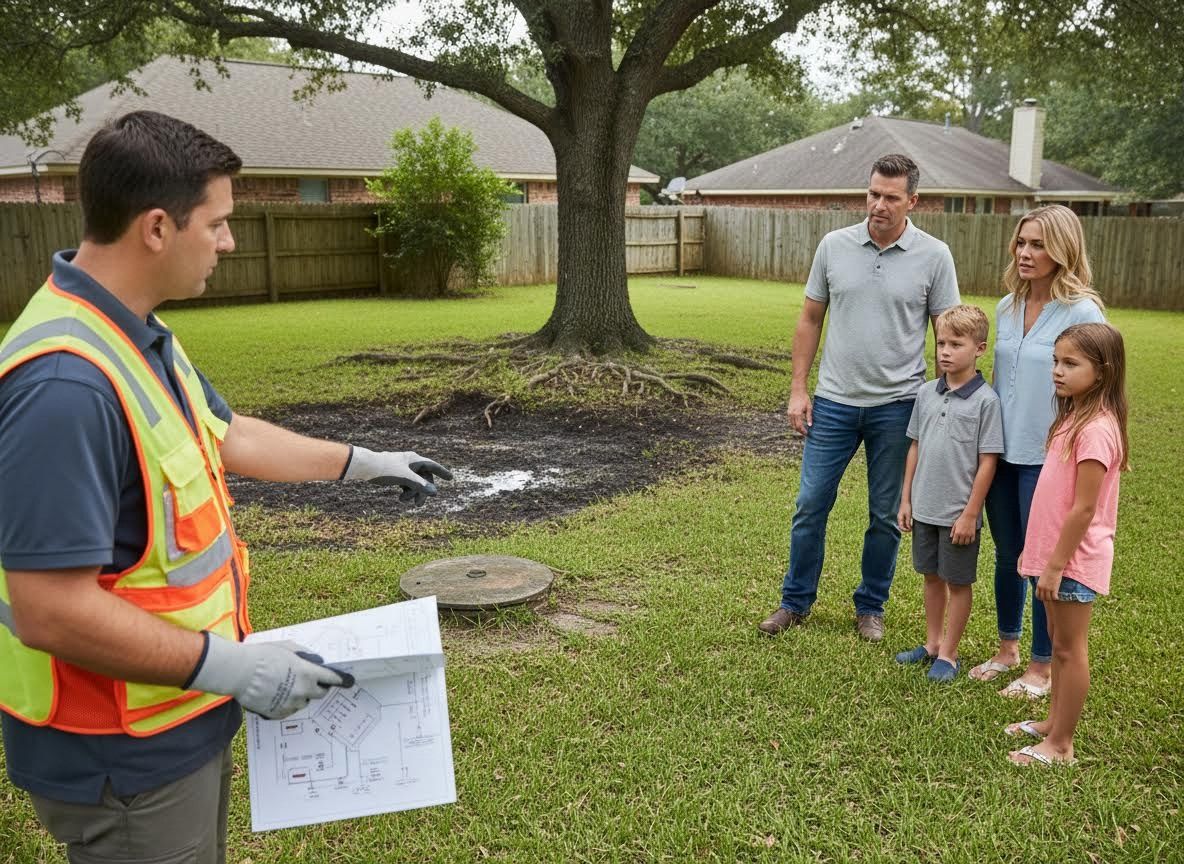
Even with diligent maintenance, septic systems have a finite lifespan, and eventually, a replacement becomes necessary. Recognizing the signs of a failing system can save you from significant property damage and health risks. Indicators may include slow drains, sewage backups, foul odors in your yard, unusually green or soggy patches over the drain field, or visible wastewater surfacing. Factors like system age, increased household usage, or damage from tree roots can necessitate a full septic replacement. While it's a significant undertaking, a timely and professionally managed replacement by a knowledgeable septic service company ensures your property's wastewater needs are met efficiently and safely for decades to come.

Leach Field Care and Repair Solutions
The leach field, or drain field, is a vital component of any septic system, responsible for filtering wastewater back into the soil. Its proper functioning is critical for the entire system's efficiency. Preventing damage and ensuring longevity involves avoiding driving heavy vehicles over the area, planting appropriate vegetation that won't interfere with pipes, and conserving water indoors. When issues arise, such as a clogged or failing leach field, professional leach field repair or replacement may be required. These solutions are often tailored to the specific problem, whether it's addressing compacted soil, replacing damaged distribution lines, or performing a full leach field replacement to restore proper drainage and absorption.
A well-maintained septic system is a testament to responsible homeownership, safeguarding both your property and the environment. By understanding the importance of regular septic services, the nuances of septic installation, and the critical need for timely replacements, you can ensure your system operates flawlessly for years. For comprehensive support with all your septic needs, from routine pumping to complex leach field repair, explore the solutions offered by a dedicated septic service company.