
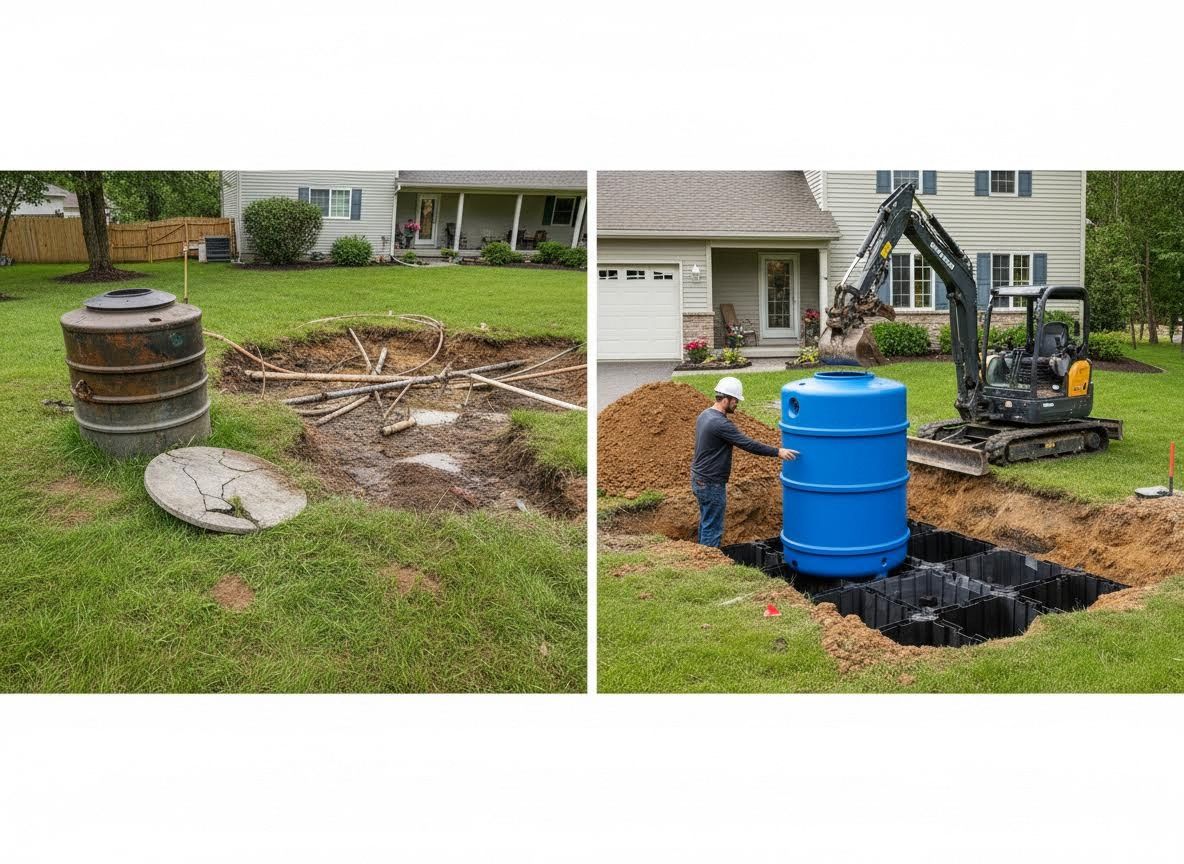
When your home relies on a septic system, understanding its condition, especially as it ages, is crucial for maintaining a healthy and functional property. Over time, even the most robust systems can show signs of wear, prompting a look into replacement options. At Emery Septic, we frequently guide homeowners through the decision-making process, comparing the characteristics and benefits of older systems with the innovative solutions offered by new septic systems. This guide will explore the key differences, helping you understand why an upgrade might be the best long-term investment for your home and the environment.
The Foundations of Older Septic Systems
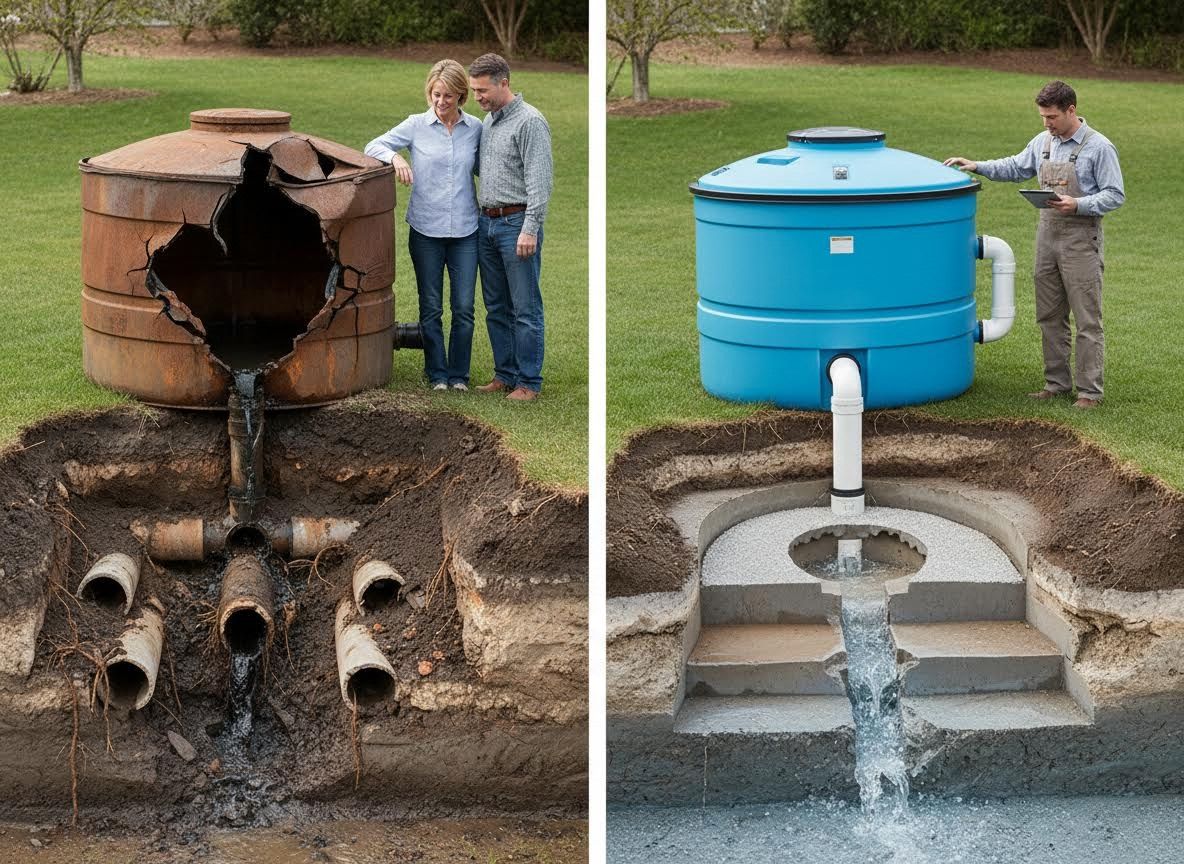
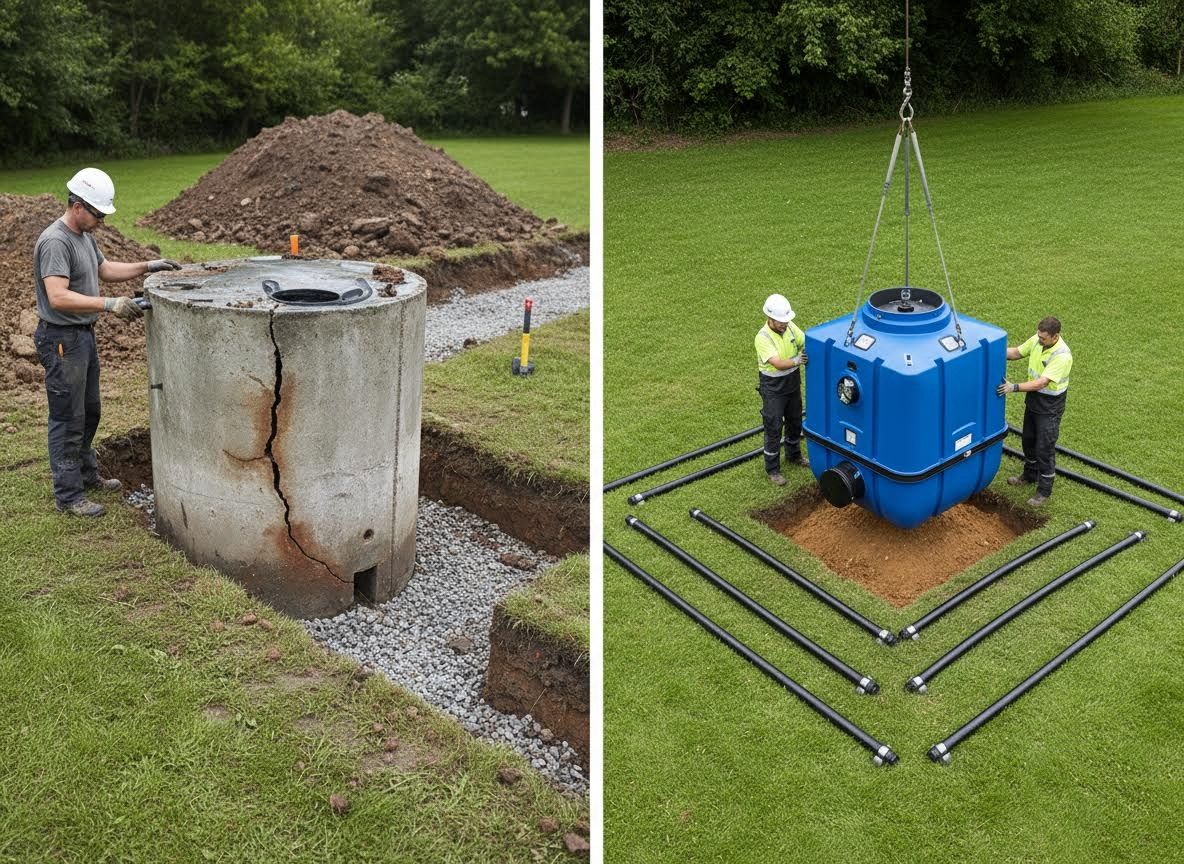
Older septic systems, while functional in their time, often relied on simpler designs and materials that are less efficient by today's standards. Many traditional septic tank units were constructed from concrete or steel. Steel tanks, in particular, were prone to corrosion and collapse over time, leading to premature failure. Concrete tanks, while more durable, could still crack or deteriorate, allowing groundwater infiltration or effluent leaks. These older systems typically provided primary treatment, separating solids from liquids, with the liquid then dispersing into a larger leach field. The limitations included a higher potential for clogs, less effective waste breakdown, and a greater environmental footprint if not meticulously maintained with regular septic services.
Advancements in Modern Septic Technology
The landscape of septic solutions has evolved significantly, offering homeowners superior alternatives for septic tank replacement. New septic tank designs feature enhanced materials such as high-density polyethylene (HDPE) or fiberglass, which are lightweight, corrosion-resistant, and easier to install. Beyond material improvements, modern systems often incorporate advanced treatment units, like aerobic treatment systems, that use oxygen to break down waste more effectively, resulting in cleaner effluent. Leach field designs have also become more sophisticated, utilizing gravelless systems or chamber technology that requires a smaller footprint and provides more efficient dispersal. These innovations contribute to a longer lifespan, reduced environmental impact, and often lower maintenance concerns compared to their predecessors, though professional septic services are still essential.
Key Considerations for Septic Tank Replacement
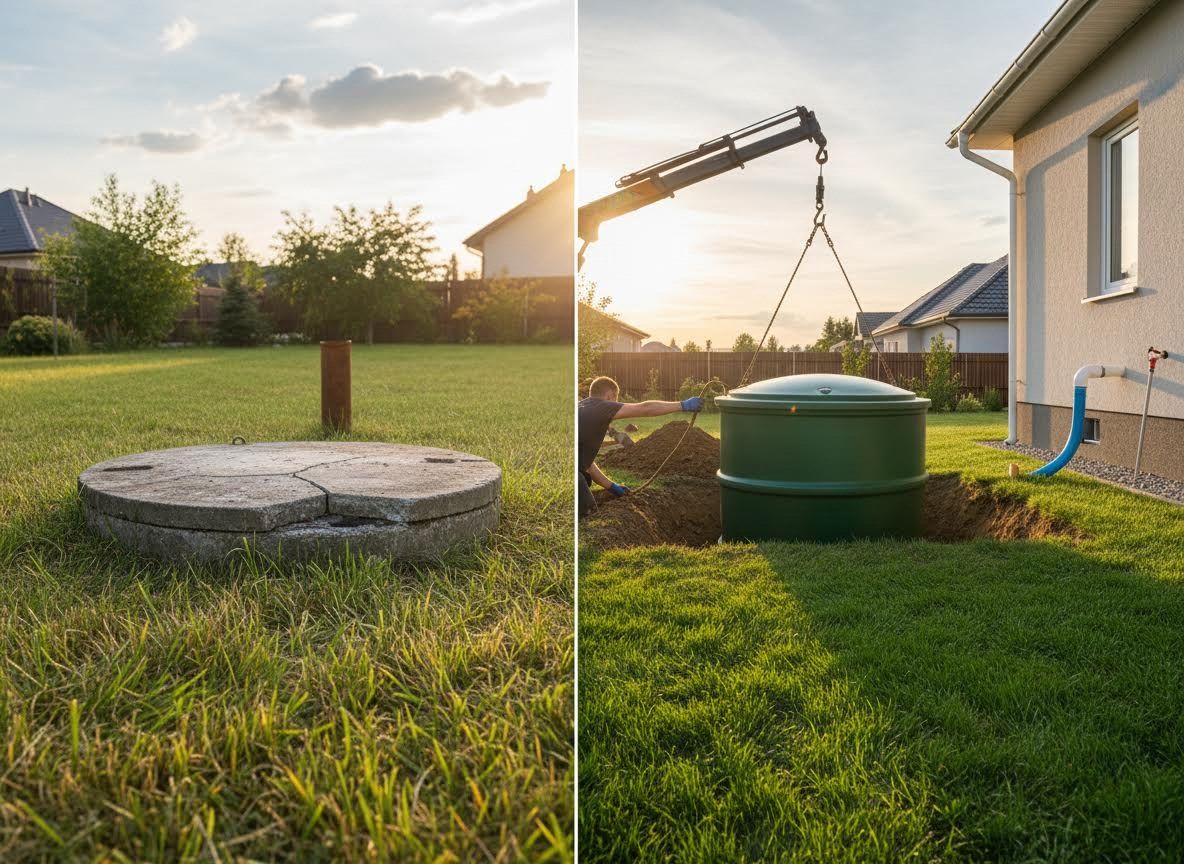
Deciding on a septic tank replacement involves evaluating several critical factors. Beyond the age of your current septic tank, you should look for signs of system failure such as slow drains, sewage backups, foul odors around the tank or leach field, or unusually lush green patches in your yard. Property changes, like increasing household size or adding new water-using appliances, can also overtax an old system, necessitating an upgrade. Additionally, local regulations may have evolved, requiring more advanced treatment systems for new septic installation. Consulting with a knowledgeable septic service company is paramount to assess your existing system's condition, understand local codes, and explore the most suitable modern options for your property.

Conclusion
Choosing between repairing an old septic tank or investing in a new septic system is a significant decision that impacts your home's functionality and environmental footprint. Modern septic solutions offer enhanced efficiency, longevity, and peace of mind compared to their predecessors. An informed choice, backed by expert advice, ensures your property benefits from a reliable and sustainable wastewater treatment system for years to come. To explore your specific septic installation and replacement needs and discover the best options for your home, we encourage you to connect with Emery Septic for a comprehensive consultation.