

Maintaining your home's septic system is a critical part of homeownership, ensuring its longevity and preventing costly, inconvenient issues. A well-maintained septic tank protects your property, health, and the environment. At Emery Septic, we understand the importance of proactive care, which is why we've put together a straightforward septic pumping checklist to help homeowners stay on top of their system maintenance. This guide will walk you through the essential steps to prepare for and understand your septic pumping service.

Understanding the Importance of Regular Septic Pumping
Your septic tank is a vital component of your home's wastewater treatment system. Over time, solids accumulate at the bottom of the tank, forming a layer of sludge, while lighter materials float to the top as scum. If these layers are allowed to build up too much, they can flow into the drain field, leading to clogs and system failure. Regular septic pumping is the most effective way to remove these solids, preventing backups, unpleasant odors, and expensive repairs. It ensures the efficient operation of your system and prolongs its overall lifespan, saving you time and money in the long run.

Before Your Septic Service Company Arrives
Preparation is key to an efficient and successful septic pumping appointment. Begin by locating your septic tank access risers or lids. If you're unsure of their exact location, consult your property's original blueprints or contact a professional. Once located, ensure the area above the tank is clear of any obstructions such as vehicles, landscaping decorations, or heavy debris. This provides clear access for the septic service company and their equipment. Also, be prepared to discuss any recent issues you've noticed with your system, such as slow drains, foul odors, or wet spots in your yard.
During the Pumping Process and Beyond
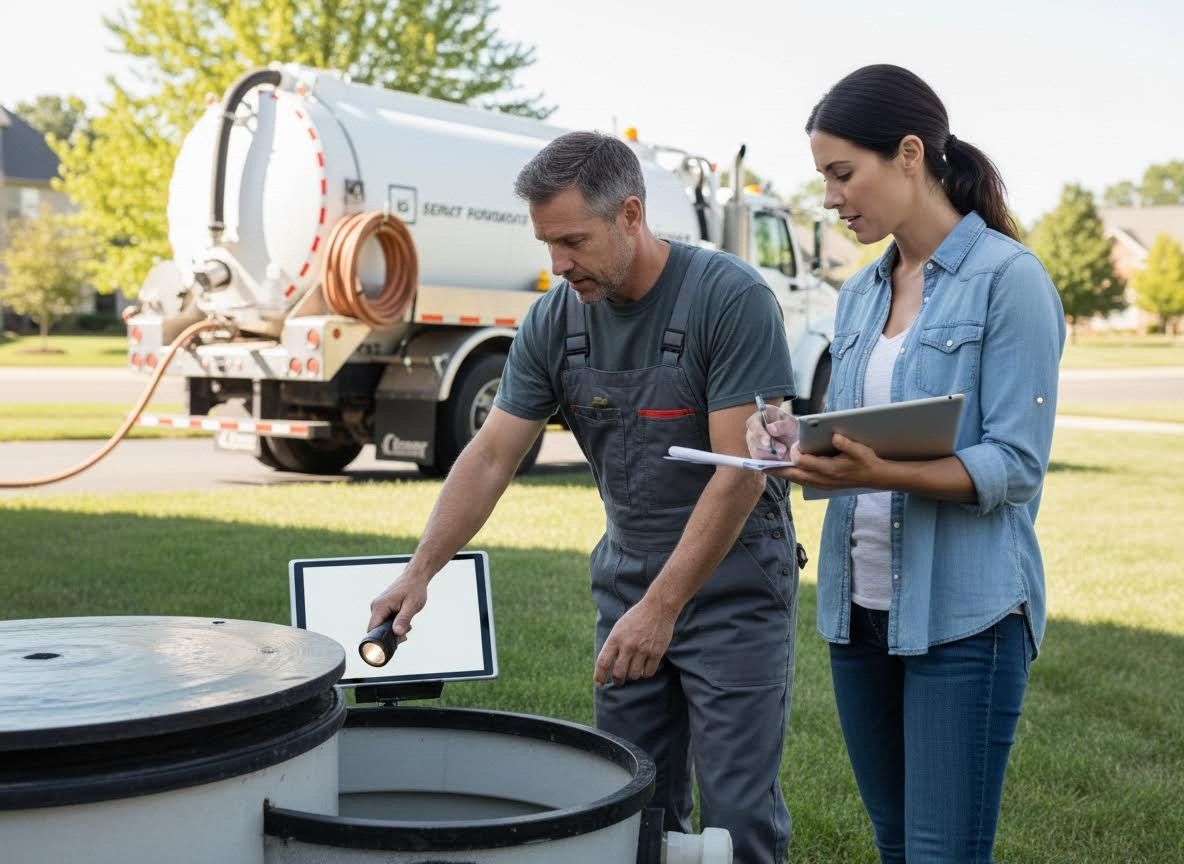
When the professionals arrive, they will access your septic tank and use specialized equipment to pump out the accumulated sludge and scum. During this process, a skilled technician will often perform a visual inspection of the tank and its components. They may check for cracks, leaks, or signs of wear, and can advise you on the general health of your system. This is a great opportunity to ask questions about your system's condition and maintenance schedule. Neglecting regular pumping can lead to severe system issues, potentially necessitating costly leach field repairs or even a complete septic installation. Following the service, continue to practice good septic habits, such as conserving water, avoiding flushing non-biodegradable items, and being mindful of chemical use.

Conclusion
Proactive maintenance, especially regular septic pumping, is crucial for the optimal performance and longevity of your septic system. By following a simple checklist and understanding the process, homeowners can prevent common issues and ensure their system continues to operate effectively. An experienced and helpful team, like the one at Emery Septic, is always ready to go above and beyond, providing reliable septic services to keep your system in top condition. For more detailed guidance on maintaining your septic system, we encourage you to explore our resources or connect with our team.