

Navigating the world of home wastewater management can be complex, and when it comes to septic tank installation, many misconceptions abound. At Emery Septic, we understand that understanding your system is key to its longevity and efficiency. Dispelling these myths is crucial for homeowners considering or managing a septic system. Let's separate fact from fiction regarding septic installation to help you make informed decisions.

Myth #1: Septic Tank Installation is a Simple DIY Project
Many homeowners believe that installing a septic tank is a straightforward construction task they can handle themselves. This is far from the truth. Proper septic installation involves intricate planning, adherence to local health codes, precise excavation, correct pipe sloping, and the right connection to your home's plumbing. Mistakes during this process can lead to costly failures, environmental contamination, and health hazards. A professional septic service company has the expertise and equipment to ensure the job is done right, meeting all regulatory requirements and ensuring the long-term functionality of your system.

Myth #2: Once Installed, Your Septic System is Maintenance-Free
A common misconception is that a septic tank, once buried, can be forgotten for many years. While modern septic systems are durable, they are not maintenance-free. Regular septic services, primarily septic pumping, are essential to prevent the accumulation of solids that can lead to system blockages and premature failure. Neglecting maintenance can result in expensive repairs or even the need for a full septic installation replacement sooner than expected. Proactive care ensures your system operates efficiently and extends its lifespan.
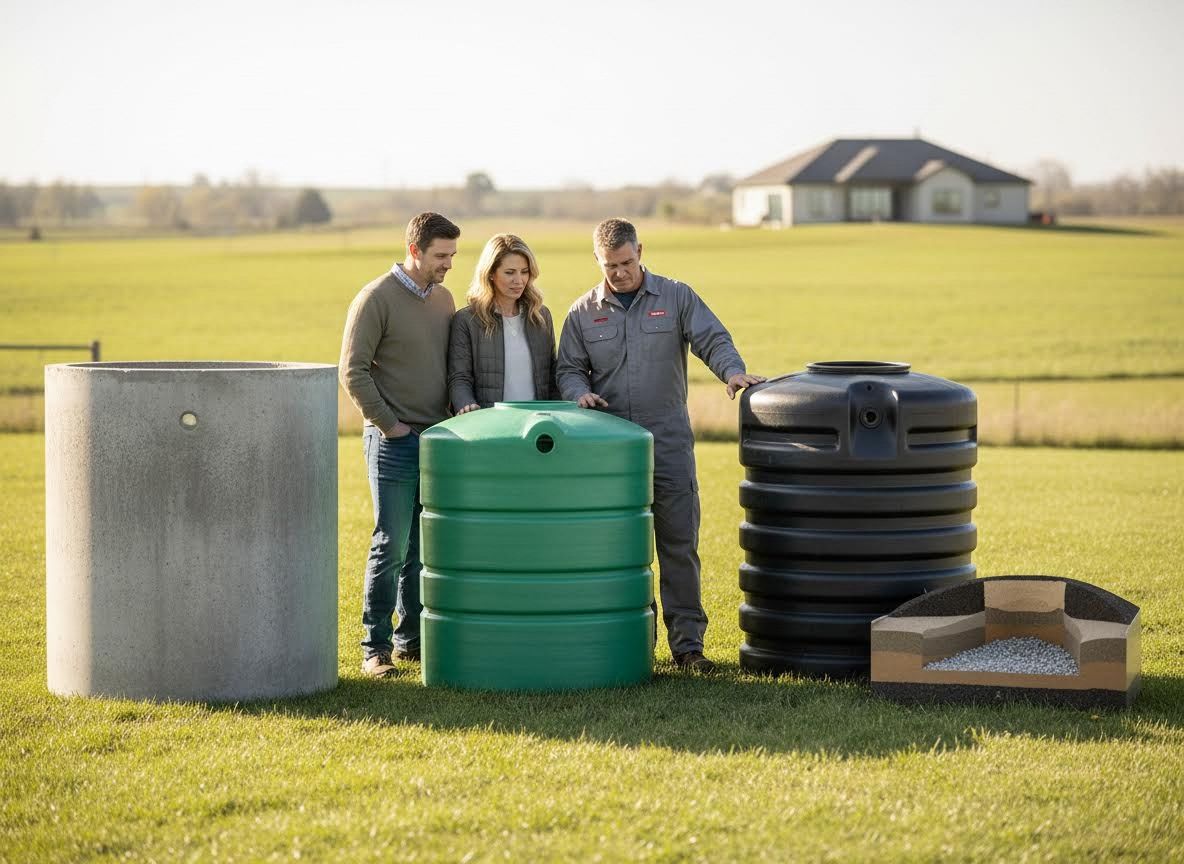
Myth #3: All Septic Tanks Are Identical
Homeowners sometimes assume that one septic tank is just like any other, varying only in size. In reality, there's a wide variety of septic tank designs and materials, each suited to different property needs, soil conditions, and local regulations. From concrete to fiberglass to polyethylene, and designs like conventional, aerobic, or mound systems, the choice impacts performance and longevity. A qualified septic service company will assess your site-specific needs to recommend the most appropriate type of septic installation for optimal functionality and compliance.

Myth #4: Septic Systems Are Always More Trouble Than City Sewers
While city sewer connections offer a hands-off approach to wastewater, properly installed and maintained septic systems are incredibly efficient and reliable. The perception of septic systems as "troublesome" often stems from improperly installed or neglected systems. With correct septic installation by experienced professionals and adherence to a regular maintenance schedule, a septic system can provide an effective and environmentally friendly wastewater solution for decades. In many rural areas, they are the only viable option, offering independence from municipal infrastructure.

Conclusion
Understanding the truth behind these common septic installation myths is vital for any homeowner relying on or considering a private wastewater system. From recognizing the complexity of a proper septic installation to appreciating the need for ongoing care and choosing the right system, debunking these misconceptions empowers you to make better decisions. For comprehensive septic services, including septic pumping, replacements, and leach field repairs, learning more about your system's specific requirements from an experienced team like Emery Septic is the first step towards ensuring its long-term health.